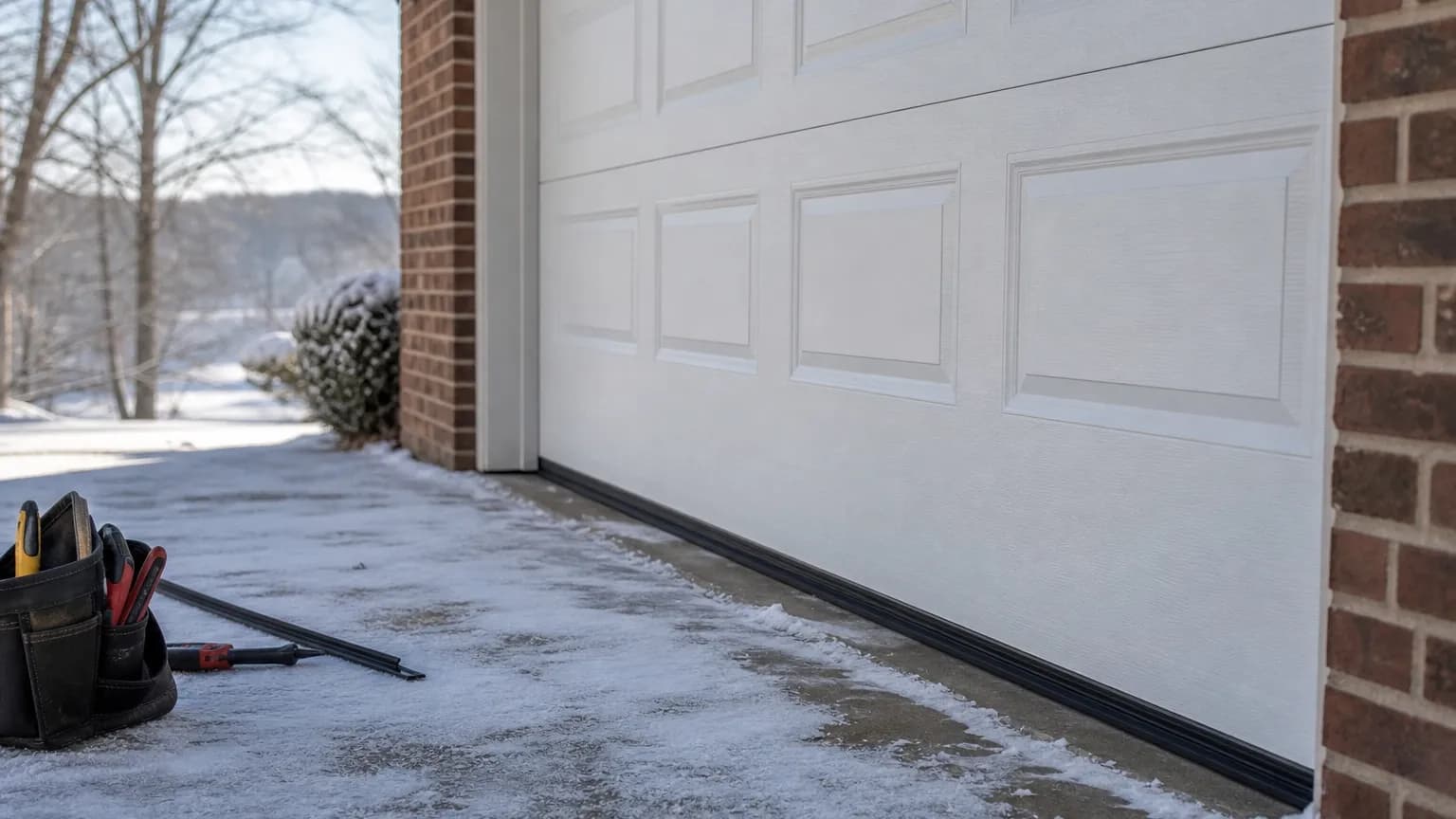
Huntington winters are not the harshest in the country, but they are hard on garage doors. Temperatures bounce above and below freezing, sometimes in the same day. Snow melts in the afternoon and refreezes overnight. Damp air from the river valley settles on metal parts. All of that shows up at the garage door, usually on the coldest morning of the week when you are already running late.
A little attention in the fall goes a long way. Here is the checklist we recommend, starting with jobs any homeowner can do and ending with the ones best left to a technician.
1. Inspect the weatherstripping
Start with the seals. Your door has a rubber seal along the bottom edge and usually weatherstripping along the sides and top of the opening. These keep out drafts, rain, snowmelt, leaves and critters looking for a warm spot.
Close the door and look for:
- Daylight under the door or along the sides
- Cracked, stiff, flattened or torn rubber
- Gaps where the seal does not touch an uneven floor
- Pieces that have pulled loose from their channel
Seals that have gone brittle or torn should be replaced before winter. A good bottom seal also helps keep water from pooling and freezing under the door.
2. Lubricate the moving parts
Cold weather turns old grease thick and sticky. That makes rollers, hinges and springs work harder and the opener strain more. Use a lubricant made for garage doors, not a general purpose degreaser, and apply a light coat to:
- The hinges between door sections
- The roller stems and bearings
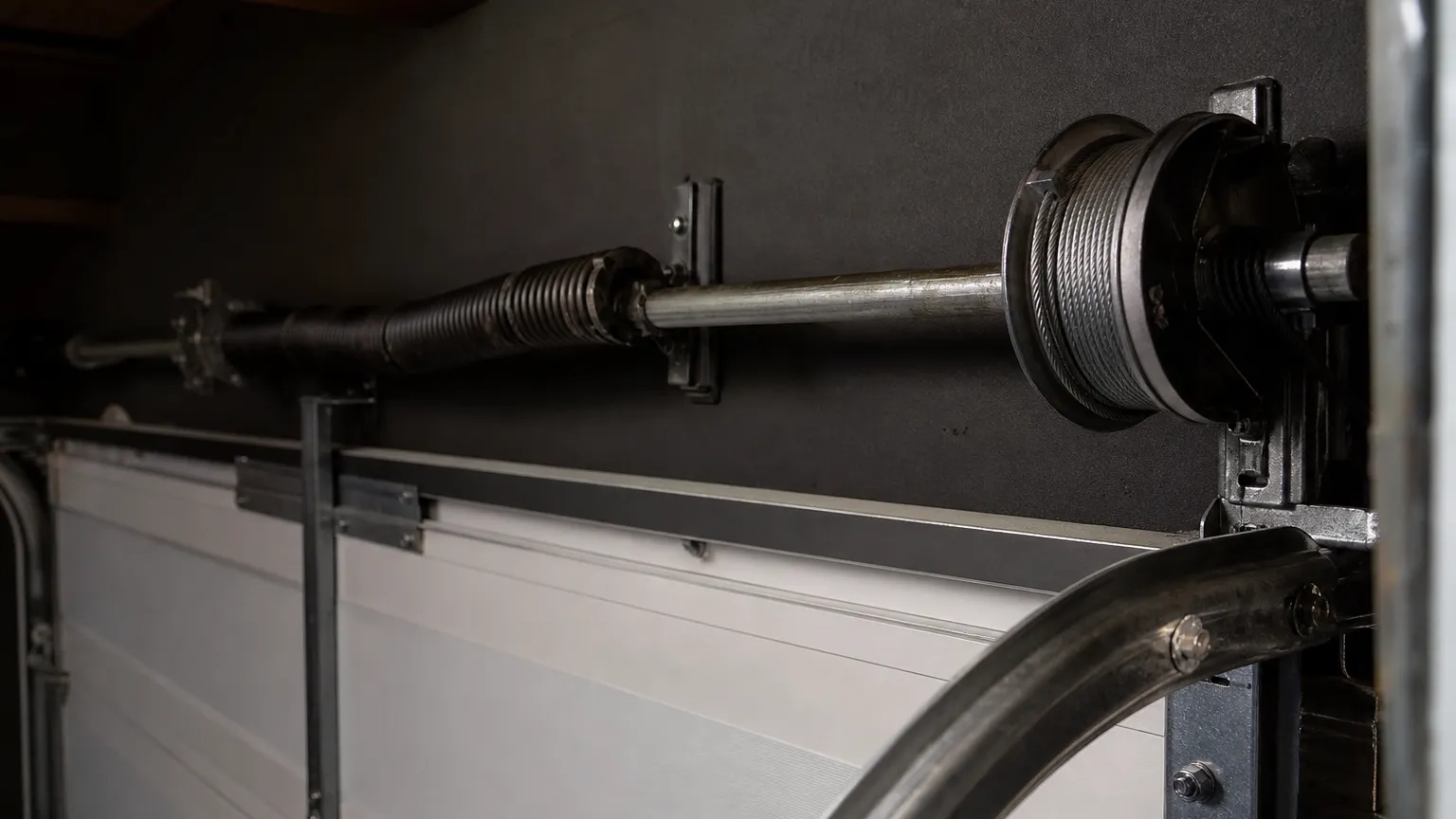
- The bearing plates at the ends of the torsion shaft
- The springs, with a light coat along the coils
Do not grease the inside of the tracks. Grease in the track collects dirt and makes the rollers skid instead of roll. Wipe off any excess so it does not drip.
3. Clean and check the tracks
Look along both vertical tracks and the horizontal tracks overhead. Wipe away dirt and debris with a dry cloth. Look for dents, bends, or loose mounting brackets. Small debris you can clear yourself. A bent track or loose bracket is a repair call, since forcing a track back into line can make things worse.
4. Test the balance
A balanced door is one where the springs are doing their job. This test tells you whether they are:
- Close the door.
- Pull the emergency release cord to disconnect the opener.
- Lift the door by hand to about halfway and let go carefully.
- A balanced door stays put. If it drops or rises on its own, the springs need adjustment.
- Reconnect the opener.
If the door feels very heavy, will not move easily, or you are not comfortable doing the test, skip it and have a technician check the balance. Never try to adjust the springs yourself. They hold the weight of the door under high tension.
5. Look at the springs and cables
From inside the garage, with the door closed, look at the springs and cables without touching them:
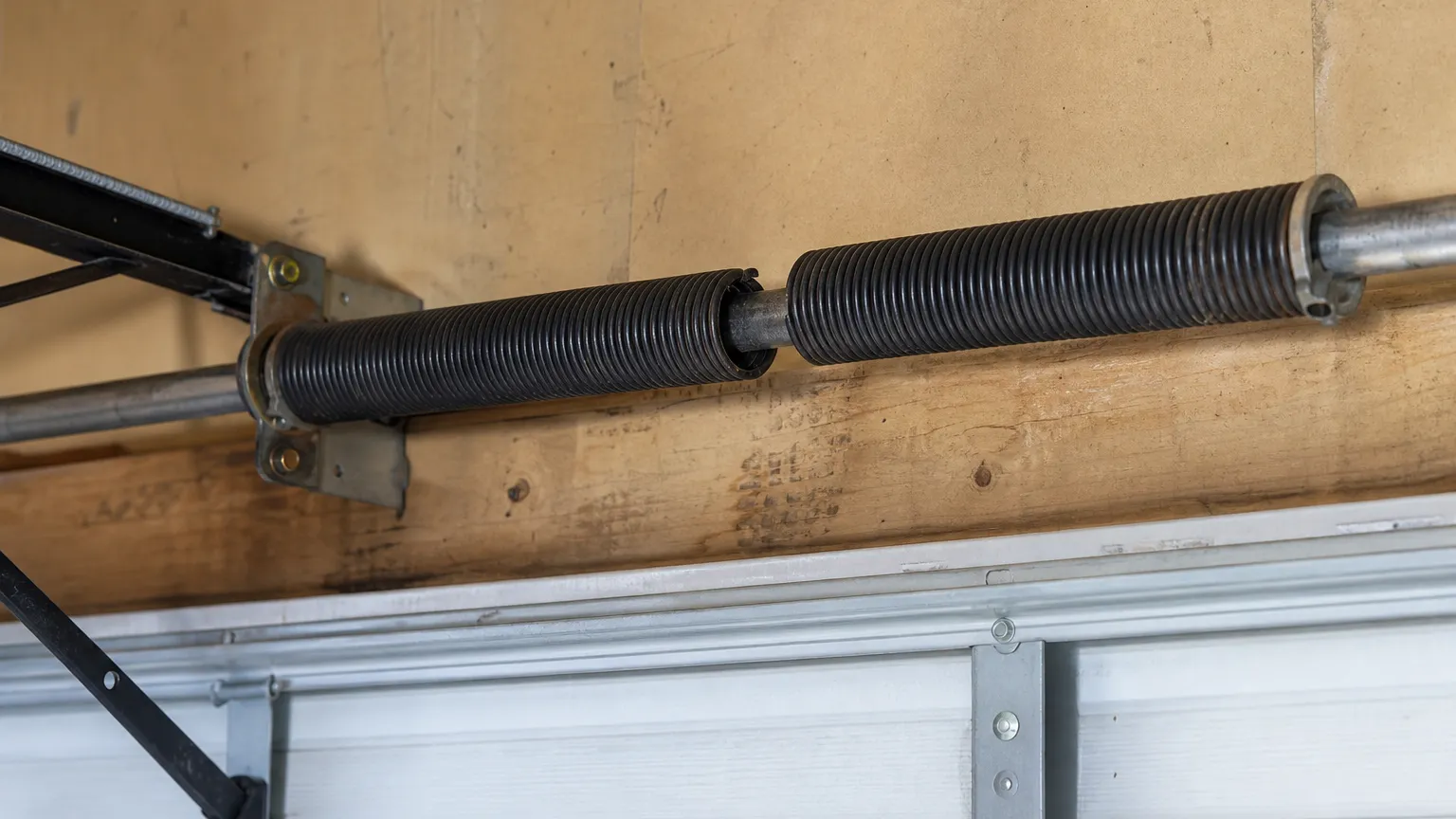
- A gap in a torsion spring coil means it is broken
- Rust along the coils means wear, and rusty springs are more likely to break in the cold
- Frayed or rusty cables near the bottom corners of the door are a warning sign
Cold weather does not cause spring wear, but it often exposes it. A spring that has been weakening for months is likely to give out on a freezing morning. If your springs look worn, replacing them in the fall beats getting stuck in January. Our explainer on why garage door springs break covers this in more detail.
6. Test the safety reverse
Lay a roll of paper towels or a piece of wood flat on the floor in the door's path, and close the door. It should reverse when it touches the object. Then check that the door reverses when you pass something through the sensor beam as it closes. If either test fails, stop using the opener to close the door until it is fixed.
7. Check the opener
Listen for grinding or straining as the door moves. Replace the batteries in your remotes and keypad before the cold weakens them. If your opener has a battery backup, check that it still holds a charge. An opener that already struggles in the fall will struggle more in winter.
8. Keep the floor under the door dry
Ice is the enemy of a bottom seal. Clear snow and slush away from the door before it can melt and run underneath. If the door freezes to the floor, do not keep pressing the button, because that can tear the seal or strain the opener. Free it gently with a plastic scraper or a hair dryer, never by force.
9. Think about insulation
If your garage is attached, has a bedroom over it, or doubles as a workshop, cold coming through the garage door affects the whole space. Insulated garage doors have a layer of insulation between two skins, and they keep the garage noticeably more comfortable. Insulation is rated by R-value: a higher number means it slows heat loss better. Insulated doors are also stiffer, quieter and more resistant to dents.
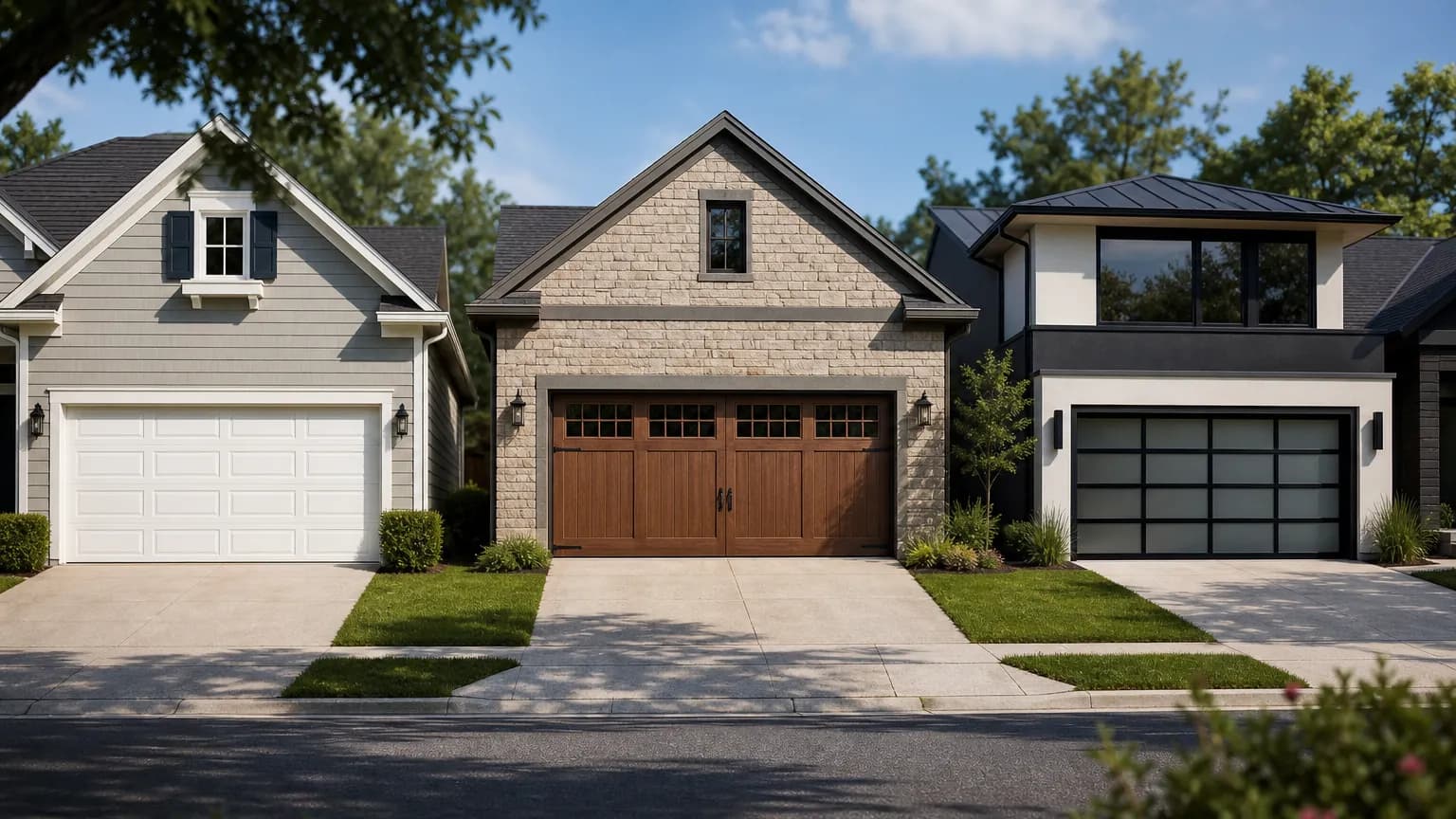
If your door is uninsulated, damaged, or simply worn out, fall is a smart time to replace it. Our guide to choosing a new garage door compares steel, wood, aluminum and insulated options.
Your winter checklist at a glance
- Weatherstripping inspected, replaced if cracked or torn
- Hinges, rollers, bearings and springs lubricated
- Tracks cleaned and checked for damage
- Balance tested, or checked by a technician
- Springs and cables looked over for gaps, rust and fraying
- Safety reverse tested
- Remote and keypad batteries replaced
- Snow and water kept away from the bottom seal
- Insulation considered for attached garages
When to call in a pro
Call for service if the door is out of balance, a spring or cable looks worn, a track is bent, or the safety reverse fails. If your door is ready for retirement, Huntington Overhead Door installs new insulated, steel, wood and aluminum doors for homes and businesses across the Huntington area and surrounding cities, with free in-home estimates on new doors. Learn more on our garage door installation page, or book online before the cold sets in.