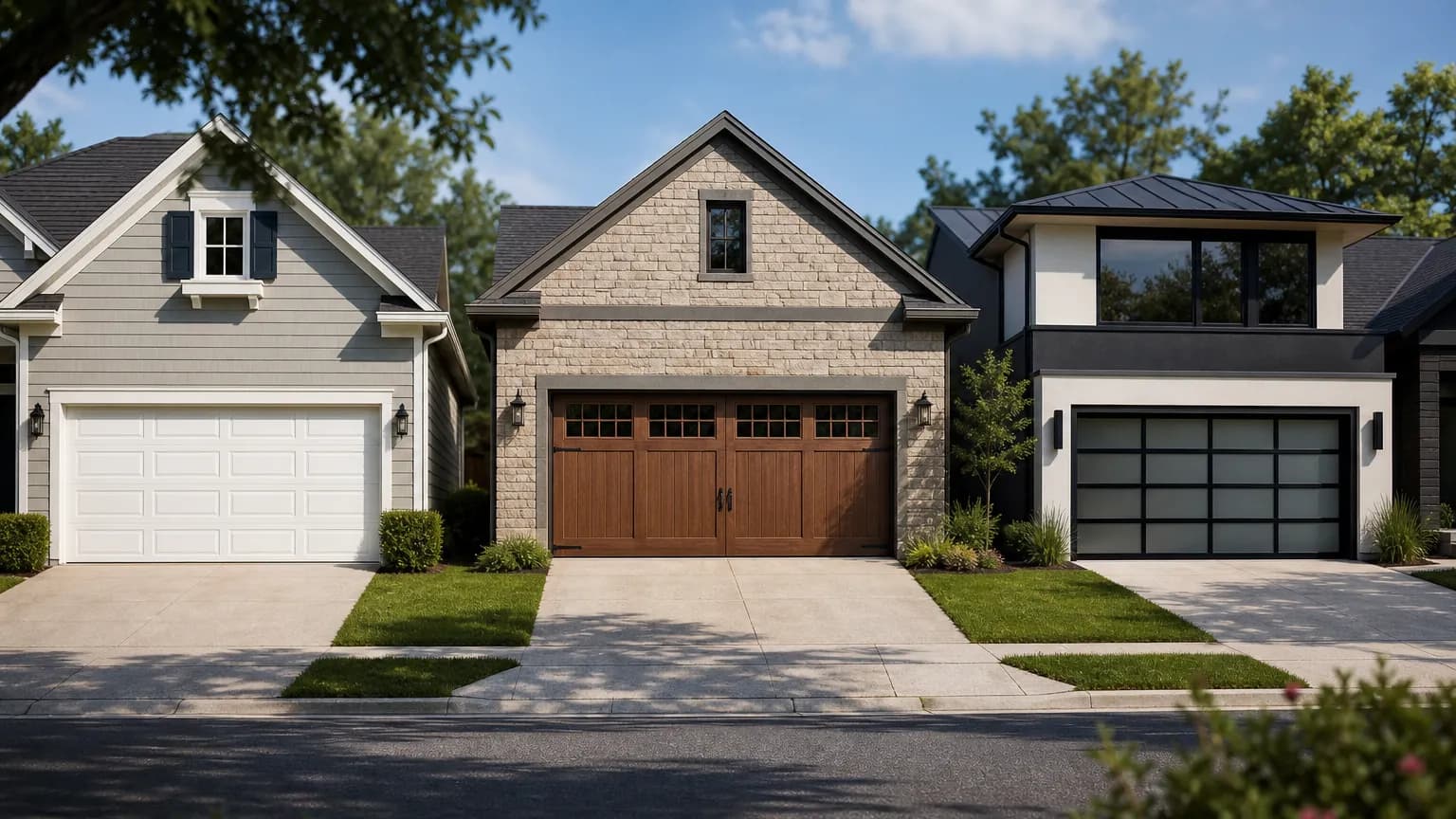
A garage door can take up a third of the front of a house. Replace it and the whole home looks different from the street. It is also a piece of equipment you use every day, so the right choice has to look good, hold up to the weather, and fit the way you use your garage.
This guide walks through the main materials, the style choices that go with them, and the questions that lead you to a door you will be happy with for a long time. We do not list prices here, because the cost of a door depends on so many factors. What we can do is show you what drives that cost so you can compare options with your eyes open.
Start with how you use the garage
Before you look at a single brochure, think about what happens in your garage:
- Parking only. You may not need much insulation, and durability and looks lead the decision.
- A workshop, gym or hangout space. Insulation and a quieter door matter much more.
- Attached to the house, or with a room above it. An insulated door helps keep that wall and that room more comfortable.
- The main way in and out of the house. The door will see heavy daily use, so solid construction and good hardware pay off.
Steel garage doors
Steel is the most common choice, and for good reason. It is strong, low maintenance, and comes in a huge range of panel styles, colors and textures, including finishes that imitate wood grain.
What to like: Durable, affordable to keep up, and available in single layer and insulated versions. Holds up well to Huntington's humidity when the finish is intact.
What to watch: Thinner, single layer steel can dent from a stray basketball or a bumper. Scratches that reach bare metal should be touched up so they do not rust. Heavier gauge and insulated steel doors resist dents better.
Wood garage doors
Nothing looks quite like real wood. It suits older homes, craftsman details, and carriage house designs, and it can be stained or painted to match the house.
What to like: Warm, classic appearance and a lot of design flexibility.
What to watch: Wood needs regular care. Our humid summers and freeze and thaw winters are hard on it. Without refinishing and sealing on a schedule, wood can swell, warp, crack or rot, especially along the bottom section. Wood doors are also heavy, which means springs and hardware must be sized for them.
Aluminum garage doors
Aluminum doors are light and do not rust. They are often built with large glass panels in a framed design for a modern look.
What to like: Lightweight, resistant to rust, and a striking contemporary style when paired with glass.
What to watch: Aluminum dents more easily than heavy steel. Doors with a lot of glass let in light, and also let more heat pass through, so they suit some garages better than others.
Insulated garage doors
Many steel doors come in insulated versions, with a layer of insulation sandwiched between the outer skin and an inner skin. Insulation is measured with an R-value: the higher the number, the better the door slows heat moving through it.
What to like: An attached garage stays more comfortable in winter and summer, the door runs quieter, and the extra layers make the door stiffer and more dent resistant.
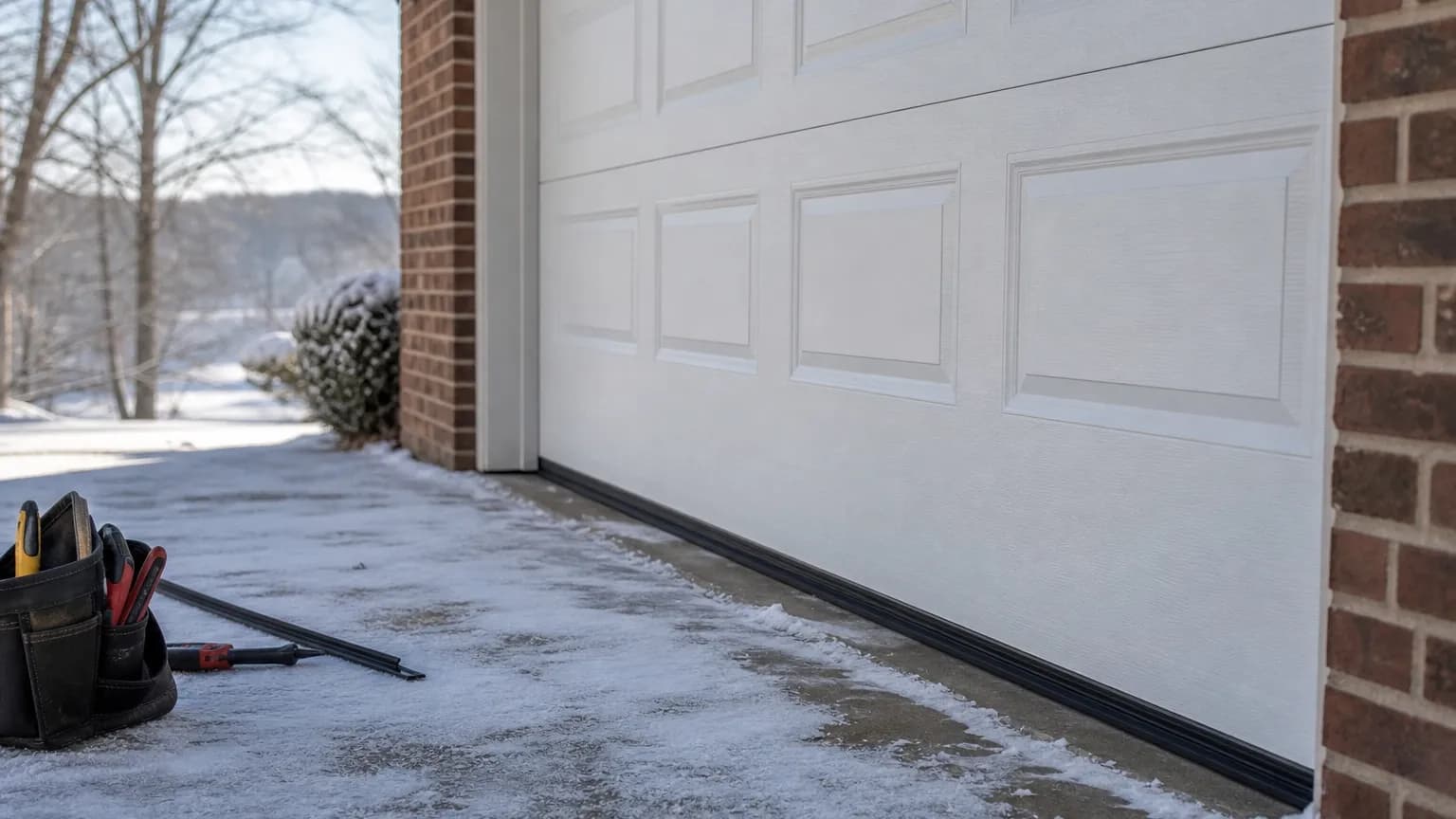
What to watch: Insulated doors cost more than single layer doors and weigh more, so springs need to match. Insulation works best when the weatherstripping around the door seals well too.
If you are weighing comfort, our winter garage door checklist shows how insulation and weatherstripping work together in cold months.
Style choices that change the look
Once you have a material in mind, these choices shape the look:
- Raised panel. The traditional look, with panels that stand out from the door surface. Fits most homes.
- Flush panel. A smooth, flat surface. Clean and simple, good for modern and minimalist homes.
- Carriage house. Designed to look like old swing out barn doors, often with decorative handles and hinges. A popular choice on brick homes.
- Windows. A row of windows in the top section adds light and character. Arched tops, square panes and decorative inserts all change the feel.
- Color. Matching the trim makes the door blend in. A contrasting color makes it a feature.
What drives the price of a new door
Every door is different, so prices vary. These are the factors that move the number:
- Size: single car, double car, or custom width and height
- Material and gauge
- Insulation, and how much
- Windows and decorative hardware
- Panel style and finish
- New tracks, springs and hardware
- Any work needed on the opening or the existing setup
- Whether a new opener is part of the job
A good estimate lists what is included so you can compare doors fairly.
Mistakes to avoid
- Choosing on looks alone. A beautiful wood door that does not get refinished will not stay beautiful in our climate.
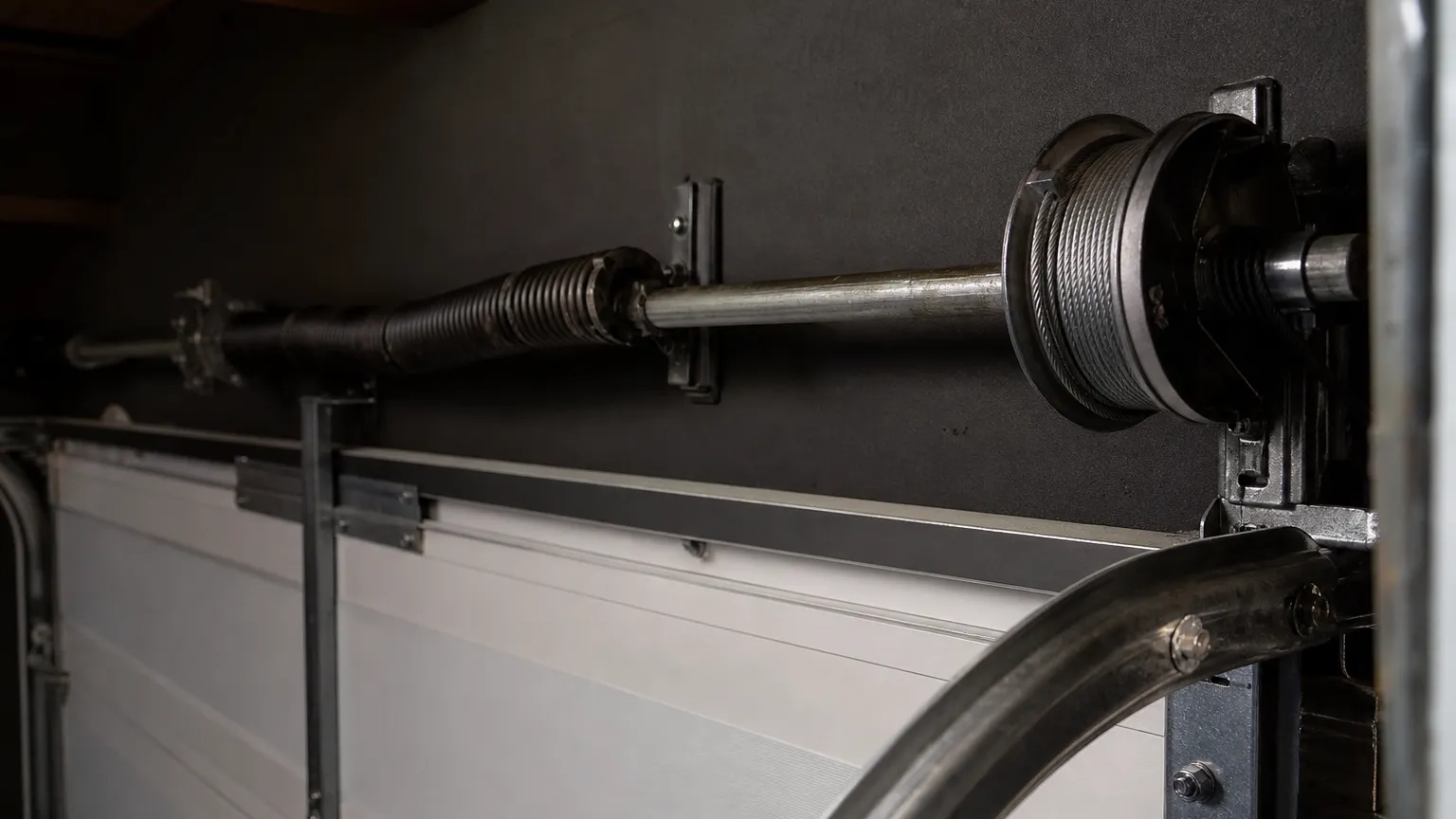
- Reusing old springs on a new door. Springs are sized to a specific weight. A new door needs springs that match it.
- Skipping the measurements. Headroom above the opening and side room beside it decide which track setups fit.
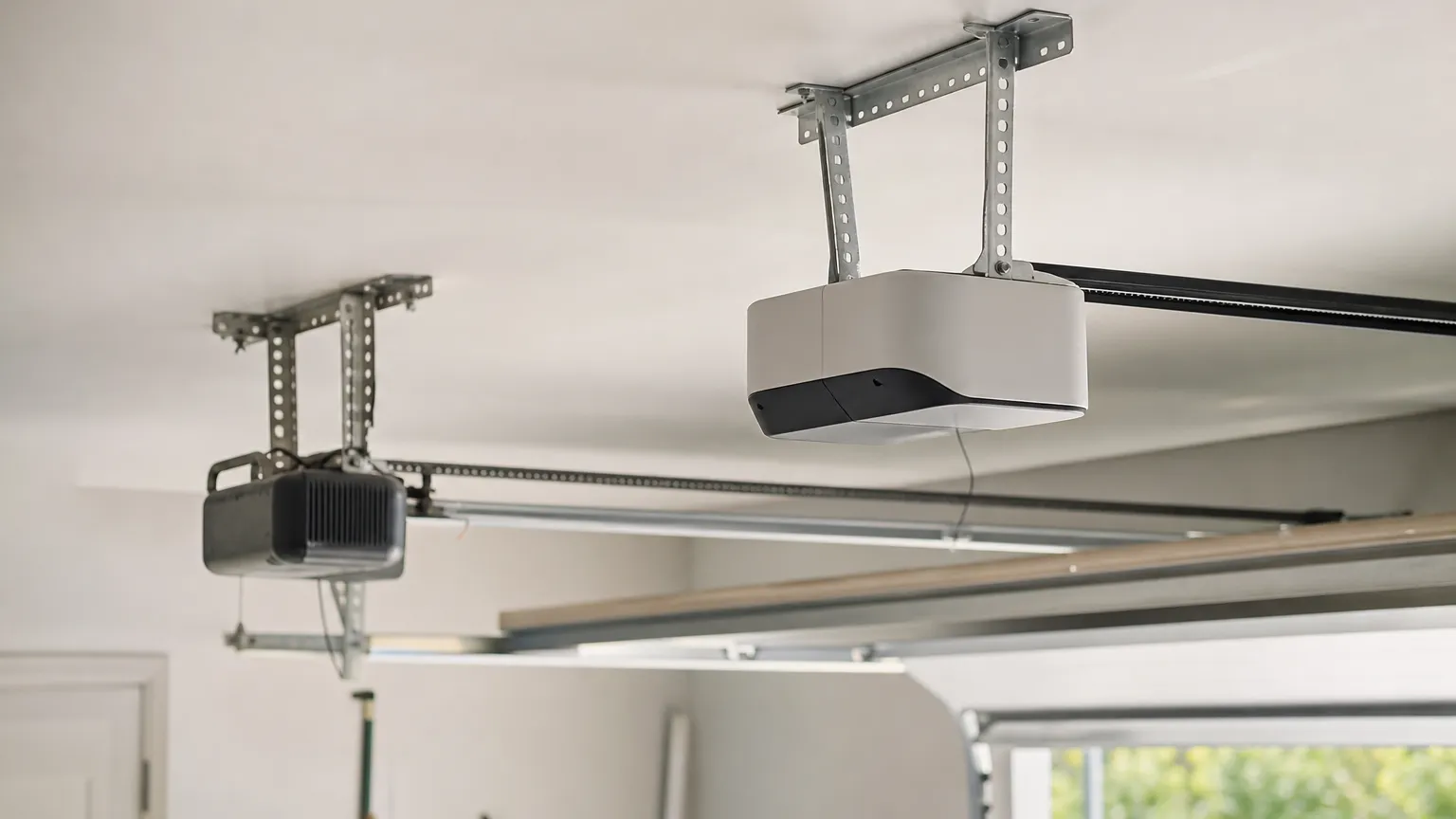
- Ignoring the opener. A tired opener on a heavier new door will struggle. Our opener repair or replace guide helps you decide.
Already bought a door?
If you have already purchased a single or double car garage door, Huntington Overhead Door can install it. Let us know the size and type when you book so we can plan the job.
Get a free in-home estimate
Estimates on new garage doors are free and done at your home, where we can measure the opening, see the existing setup, and talk through styles and budget with you. We install residential and commercial doors across the Huntington area and surrounding cities. See our garage door installation page for more, or book your free estimate online.