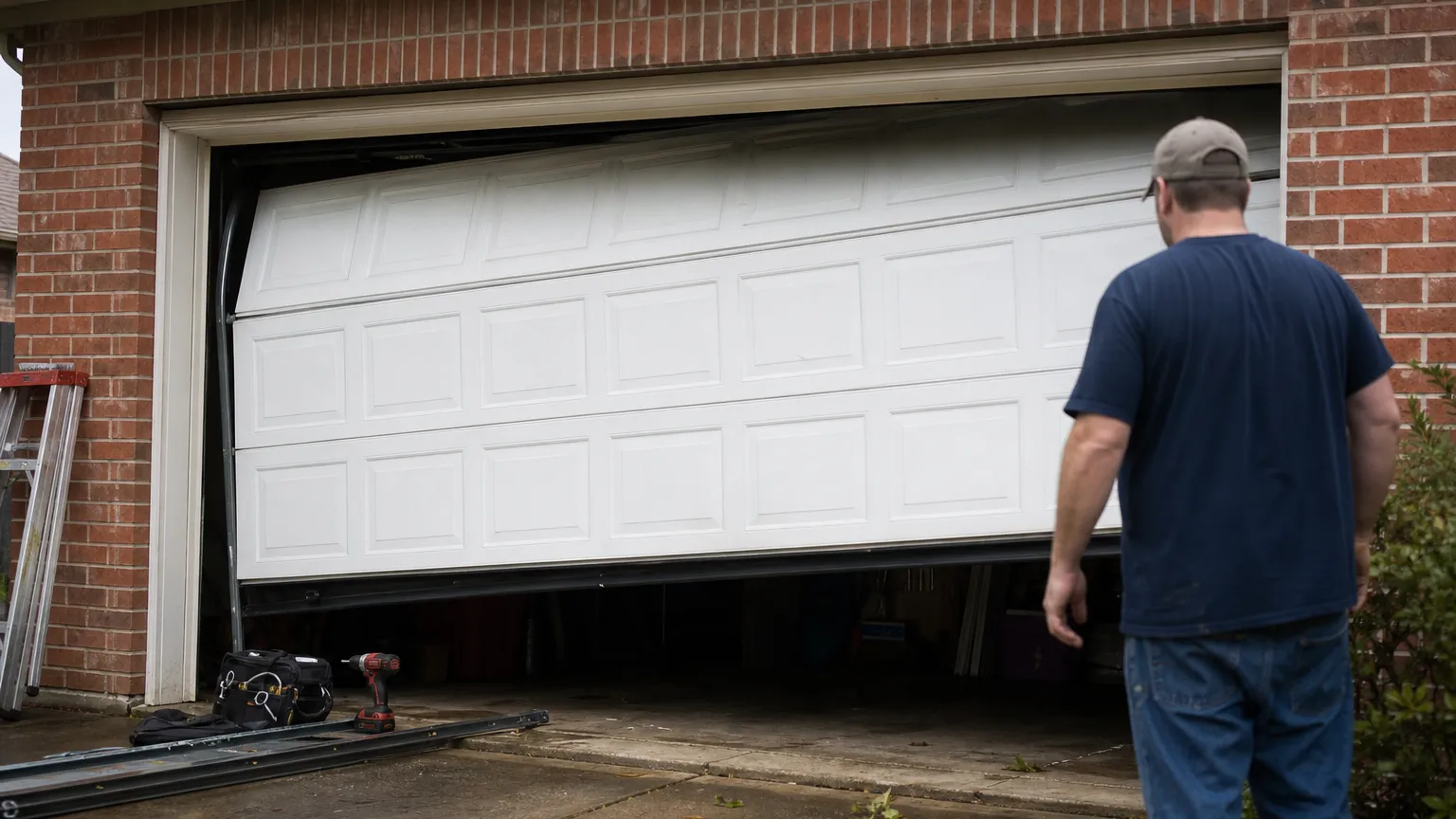
You press the button, the door starts down, and a moment later it stops and goes right back up. Maybe the opener light blinks at you. Maybe it works on the third try and then refuses the next morning. This is one of the most common garage door complaints, and the cause is usually not the door or the opener at all. It is the safety sensors.
The good news: the most common sensor problems are ones you can check yourself, safely, in a few minutes. Here is how.
What the safety sensors do
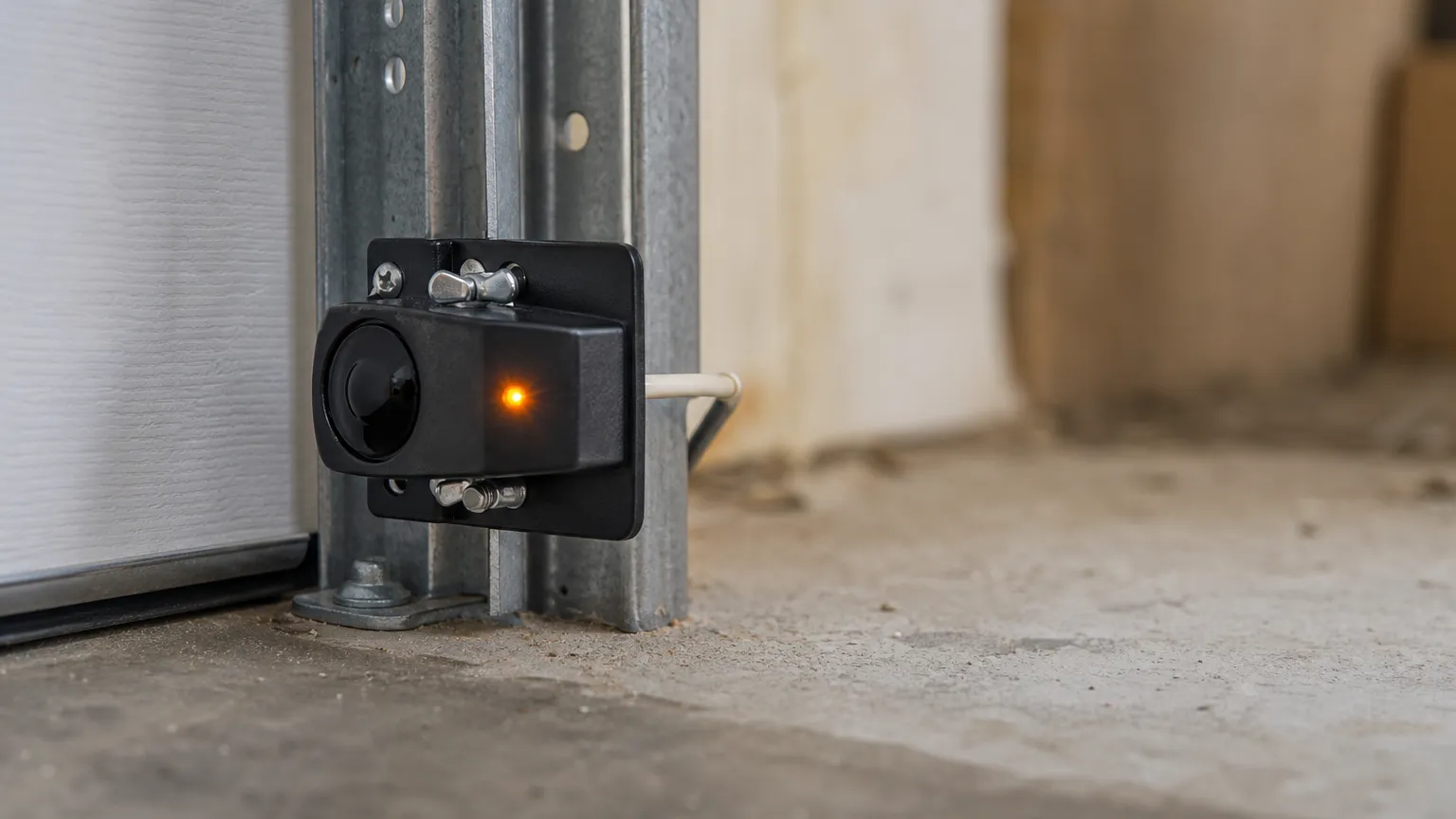
Near the bottom of each side of the garage door opening, you will find a small sensor mounted on the track or the wall, a few inches above the floor. One sends an invisible beam of light across the opening. The other receives it. As long as the receiver sees the beam, the opener knows the path is clear and lets the door close. If anything breaks the beam, the opener stops and reverses the door.
That system is what keeps a closing door from coming down on a child, a pet, or the back of a car. It is one of the most important safety features on the whole door, and it should never be disabled or bypassed.
Because the beam is narrow and the sensors sit low where they get bumped, a lot can interrupt them.
Check 1: Is something in the way?
Start with the obvious. Look along the floor between the two sensors for anything that might break the beam:
- A trash can, recycling bin, bike, ball or toy
- Leaves, snow, or debris that has blown in near the door
- A rake or shovel leaning against the wall near a sensor
- Cobwebs or a spider building a web across the lens
- A floor mat or rug that has curled up
Clear the area and try the door again.
Check 2: Look at the sensor lights
Most sensors have a small indicator light. Typically, the sending sensor shows a steady light when it has power, and the receiving sensor shows a steady light when it sees the beam. If the receiving sensor's light is off or flickering, it is not seeing the beam clearly. Light colors vary by opener, so check your opener's manual if you are not sure what yours mean.
This quick look tells you whether you are dealing with alignment, blockage or power.
Check 3: Clean the lenses
The lenses collect dust, pollen, cobwebs and grime from the garage floor. A dirty lens can weaken the beam enough to trip the system. Unplug the opener first, then wipe each lens gently with a soft, dry cloth. If there is stuck on dirt, slightly dampen the cloth with water. Avoid harsh cleaners and anything abrasive that could scratch the lens.
Plug the opener back in and test the door.
Check 4: Check the alignment
The two sensors have to point straight at each other. It does not take much to knock one off: a car bumper, a kicked ball, a bike handlebar, or a lawn mower. Look at both sensors from the side and from above. They should be at the same height and aimed at each other across the opening.
Most sensors sit in a bracket with a wing nut or screw that lets you adjust them. Loosen it slightly, adjust the sensor until its indicator light comes on steady, and tighten it again without moving it. Some people run a string between the sensors to check that they line up. If a bracket is bent badly, it may need to be straightened or replaced.
Check 5: Look at the wiring
Each sensor has a thin, low voltage wire running back to the opener. Without touching anything inside the opener, follow the wires with your eyes and look for:
- A wire that has been stapled through, pinched, or chewed
- A loose connection at the back of a sensor
- A wire that has pulled away from the wall and is hanging near the door's path
A damaged sensor wire can cause problems that come and go, especially when the door vibrates. If you see damage, that is a good time to call for service.
Check 6: Watch for sun glare
If the problem only happens at certain times of day, look at where the sun is. Low morning or afternoon sun shining directly into a receiving sensor can overwhelm it. A technician can sometimes swap the sensors so the receiver faces away from the sun, or add a shield.
When the sensors are not the problem
If the sensors are clean, aligned, lit and wired properly and the door still reverses, the cause may be elsewhere:
- Force settings on the opener. If the door meets resistance, the opener may treat it as an obstruction and reverse.
- A binding door. A worn roller, a bent track, or a door that is out of balance makes the opener work harder, and it can reverse.
- Close limit setting. A door that reverses right as it touches the floor may need its travel limit adjusted.
- A failing sensor or opener board. Electronic parts do wear out.
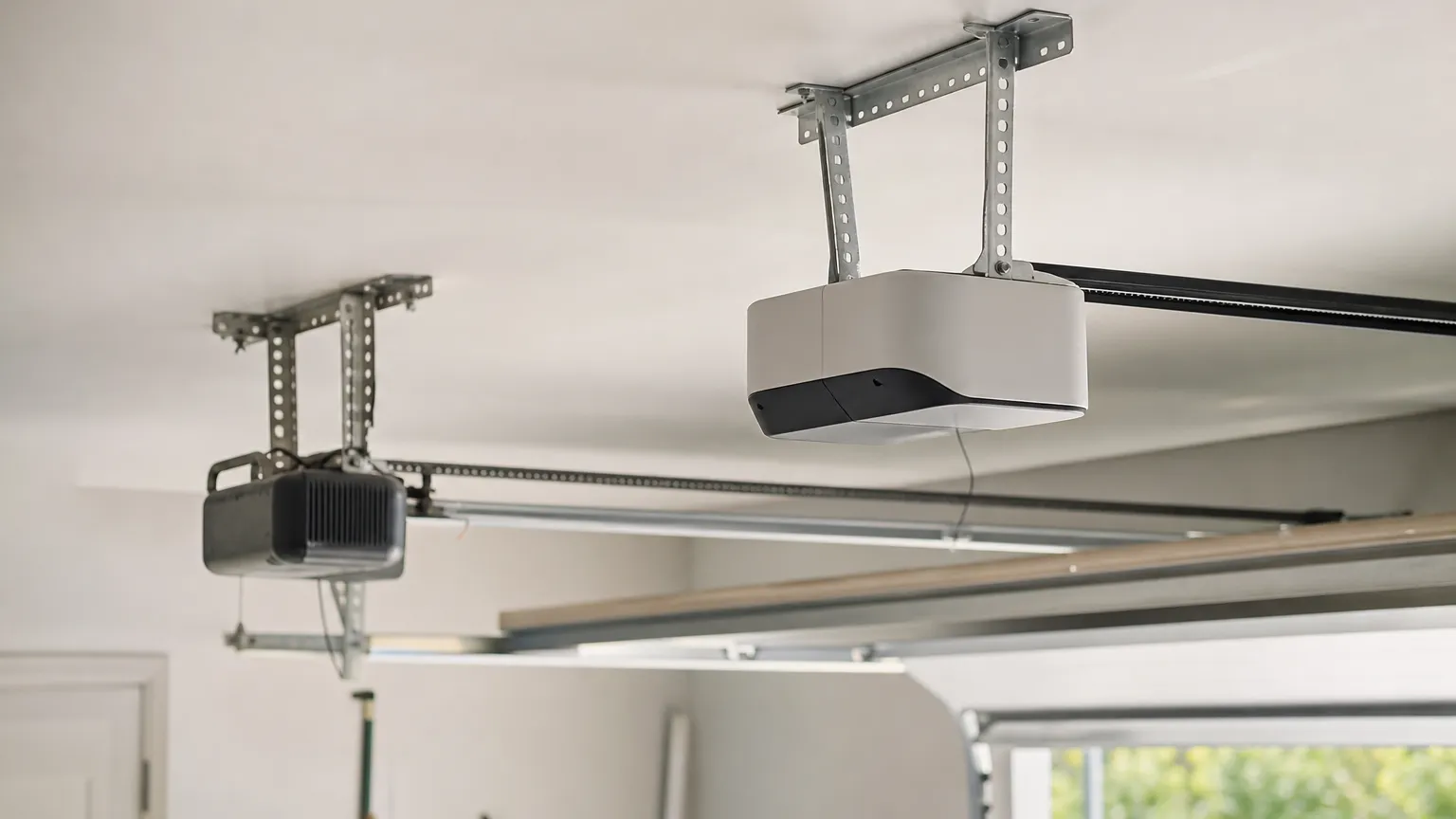
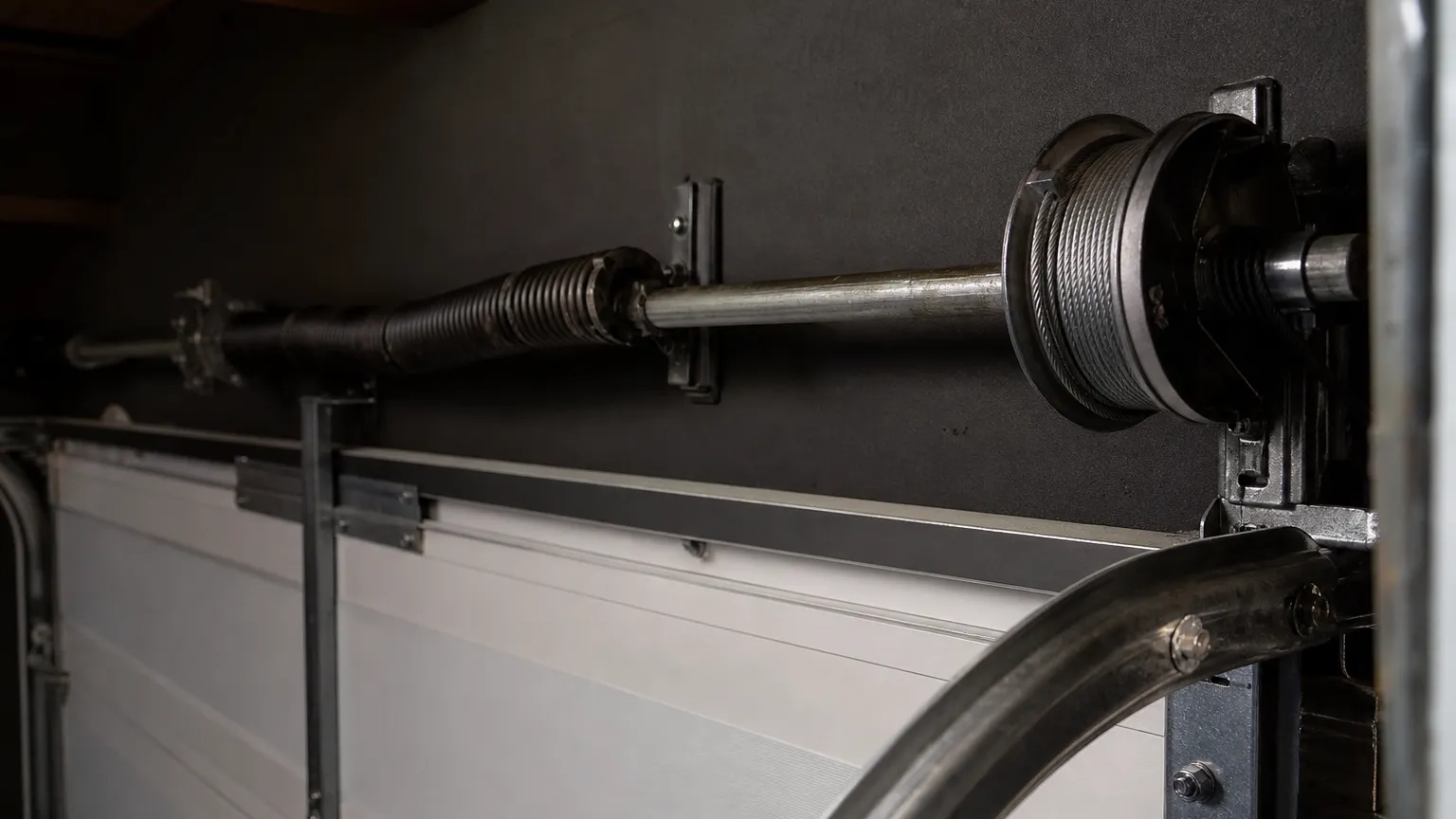
Adjusting opener limits and force should follow your opener's instructions closely. Anything involving springs, cables, or the bottom brackets is a job for a technician, because those parts are under high tension. Our post on signs your garage door needs repair covers other warning signs to watch for.
If the sensors keep failing and your opener is getting old, our opener repair or replace guide can help you decide whether it is time for a new one.
Getting it fixed
When you call us, tell us what you already checked. It speeds things up. We test the sensors and their wiring, check the opener's force and travel settings, and look over the door itself to make sure it moves freely and is balanced. You get a clear estimate before any work begins.
Huntington Overhead Door handles sensor repair and alignment as part of our garage door repair service for homes and businesses across the Huntington area and surrounding cities. If your door still will not close, book a repair online or give us a call.